
Book Night PDF: A Comprehensive Guide

Book Night PDFs are becoming increasingly popular for facilitating engaging literary discussions, offering curated reading lists, and providing insightful prompts for diverse genres.
What is “Book Night”?
Book Night represents a dedicated occasion—often recurring—where individuals convene, either physically or virtually, to collectively explore and dissect a chosen literary work. Frequently, these gatherings utilize PDF documents as central resources. These PDFs aren’t merely digital books; they’re thoughtfully assembled guides containing reading schedules, character analyses, and, crucially, stimulating discussion questions.
The core aim is fostering a shared intellectual experience, moving beyond solitary reading to embrace collaborative interpretation and lively debate. The PDF format streamlines this process, offering accessible materials for all participants.
The Popularity of Book Night Events
Book Night events have surged in popularity, fueled by a desire for deeper social connection and intellectual stimulation. The convenience of PDF-based materials significantly contributes to this trend. These digital resources eliminate logistical hurdles – no need for everyone to purchase a physical copy!
Furthermore, PDFs facilitate remote participation, expanding accessibility. The structured discussion prompts within these documents encourage meaningful engagement, even for those less comfortable leading conversations. This ease of use drives wider participation and sustained interest.
Finding Book Night PDFs Online
Locating Book Night PDFs requires careful navigation of the internet landscape. A simple web search using keywords like “book club kit PDF” or “[genre] book discussion guide PDF” yields numerous results. Publisher websites often offer companion materials, including downloadable PDFs.
However, exercise caution! Many unofficial sources exist. Prioritize reputable platforms and be wary of sites promising free access to copyrighted content. Always verify the source before downloading to protect your device from malware.
Legitimate Sources for Book Night Materials
Reliable sources for Book Night PDFs include publisher websites – often offering free reading guides – and established book retailer platforms like Barnes & Noble or Amazon, which sometimes bundle PDF resources with book purchases. Library websites frequently provide downloadable discussion questions and reading lists for book clubs.
Additionally, dedicated book club resource websites curate lists of guides. Always confirm the legitimacy of the source and respect copyright restrictions when accessing these materials.
Potential Risks of Downloading PDFs from Unverified Sources
Downloading Book Night PDFs from untrusted websites carries significant risks. These include exposure to malware, viruses, and potentially harmful software embedded within the files. Unverified sources may also distribute illegally copied materials, infringing on copyright laws.
Furthermore, such PDFs could contain inaccurate or misleading information, compromising the quality of your book discussion. Prioritize reputable sources to safeguard your device and ensure content integrity.

Understanding PDF Formats for Book Nights
Book Night PDFs come in various formats, impacting user experience. Standard PDFs are generally static, ideal for simple reading lists and discussion questions. Interactive PDFs, however, offer features like fillable forms, clickable links, and embedded multimedia.
Choosing the right format depends on your needs; interactive PDFs enhance engagement, while standard PDFs prioritize accessibility and compatibility across devices. Consider your audience’s technical capabilities.
Standard PDF vs. Interactive PDF
Standard PDFs are document snapshots, excellent for universally accessible reading materials like book lists or character analyses. They maintain consistent formatting across platforms but lack dynamic elements.
Interactive PDFs, conversely, incorporate features like form fields for responses, hyperlinks to external resources, and embedded media. These enhance engagement during Book Night discussions, allowing for direct annotation and a more immersive experience, though compatibility can vary.
Accessibility Features in Book Night PDFs
Book Night PDFs should prioritize inclusivity through accessibility features. Tagged PDFs enable screen readers to navigate content logically for visually impaired participants.
Alternative text for images provides descriptions, while appropriate color contrast ensures readability. Adjustable font sizes and keyboard navigation further enhance usability. Considering these elements ensures everyone can fully participate in the Book Night experience, fostering a welcoming and equitable discussion environment.

Content Typically Found in Book Night PDFs
Book Night PDFs commonly feature curated reading lists, categorized by genre or theme, to inspire selection. Expect detailed book recommendations with synopses and author information.
Crucially, these PDFs include thoughtfully crafted discussion questions and prompts, designed to stimulate conversation and deeper analysis of the chosen text. Some also offer character analyses, thematic explorations, and even historical context, enriching the overall Book Night experience.
Reading Lists and Book Recommendations
Book Night PDFs often showcase diverse reading lists, meticulously curated to cater to varied tastes and interests. These lists frequently categorize books by genre – mystery, fantasy, or historical fiction – simplifying selection.
Detailed book recommendations are a staple, providing concise synopses, author biographies, and sometimes even reader reviews; PDFs may highlight award-winning titles or emerging authors, broadening literary horizons for Book Night participants and fostering discovery.
Discussion Questions and Prompts
Book Night PDFs excel at providing thoughtfully crafted discussion questions and prompts, designed to spark lively and insightful conversations. These range from character analysis and plot interpretation to thematic explorations and personal reflections.
Prompts often encourage participants to connect the book’s themes to their own experiences, fostering deeper engagement. PDFs may include open-ended questions, debate starters, and even creative writing exercises, enriching the Book Night experience and promoting critical thinking.

Preparing for a Book Night Using a PDF
Preparing for a Book Night with a PDF involves familiarizing yourself with its structure. Navigating the PDF document is key – utilize the table of contents or bookmarks for quick access to sections.
Annotating and highlighting key passages beforehand enhances participation. Consider jotting down initial thoughts or questions. Digital PDFs allow for direct annotation, while printed copies benefit from pen and highlighter. Effective preparation ensures a richer, more productive discussion during your Book Night;
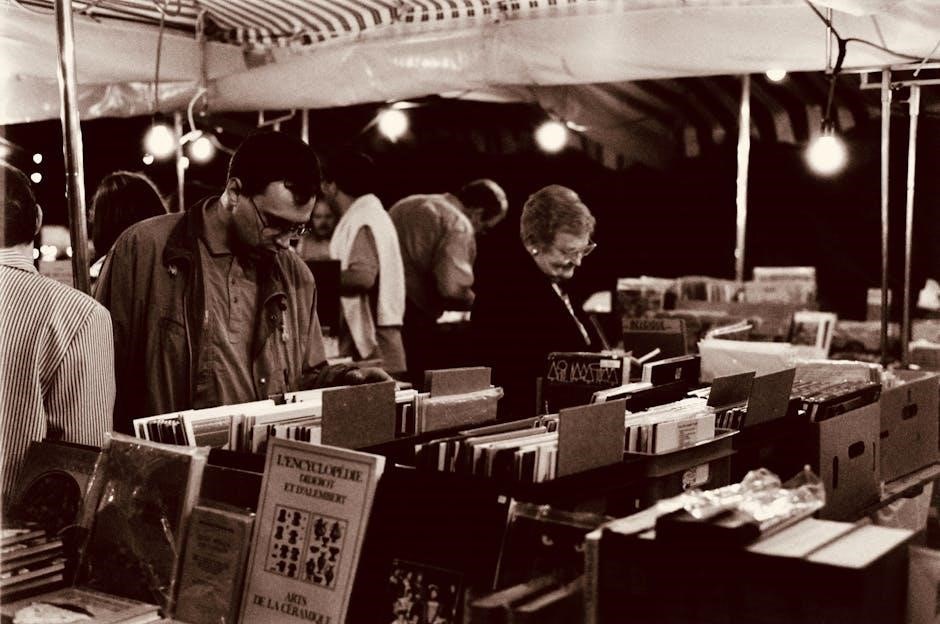
Navigating the PDF Document
Navigating a Book Night PDF efficiently is crucial for a smooth experience. Most PDF readers offer a table of contents, allowing quick jumps to specific sections like reading lists or discussion questions.
Utilize the bookmark feature to save frequently accessed pages. The search function is invaluable for locating specific keywords or author names. Familiarize yourself with the PDF’s layout to quickly find the information needed during your Book Night discussion, maximizing engagement and participation.
Annotating and Highlighting Key Passages
Annotating Book Night PDFs enhances comprehension and facilitates richer discussions. Utilize highlighting tools to mark significant quotes, themes, or character developments. Add sticky notes for personal reflections, questions, or connections to other texts.
Many PDF readers allow for freehand drawing, ideal for diagramming plot points or character relationships. These annotations create a personalized reading experience and serve as valuable reference points during your Book Night, fostering deeper analysis.
Software for Viewing and Editing Book Night PDFs
Adobe Acrobat Reader remains the industry standard for viewing, signing, and commenting on Book Night PDFs. However, several excellent alternatives exist. Foxit Reader offers a lightweight and fast experience, while Sumatra PDF is known for its simplicity and portability.
For more advanced editing capabilities, consider PDFelement or Nitro PDF Pro. These programs allow you to modify text, images, and page layouts directly within the PDF, enhancing your Book Night preparation.
Adobe Acrobat Reader
Adobe Acrobat Reader is a ubiquitous, free software for reliably opening and interacting with Book Night PDFs. It provides essential features like zooming, searching, and basic annotation tools – highlighting key passages and adding sticky notes are straightforward.
Its widespread compatibility ensures consistent viewing across devices. While advanced editing requires a paid subscription, the Reader version is perfectly sufficient for most Book Night participants needing to access and engage with the material.
Alternative PDF Readers
Beyond Adobe Acrobat Reader, several excellent alternatives exist for viewing Book Night PDFs. Foxit Reader offers a lightweight, fast experience with comparable annotation features. SumatraPDF is another speedy option, prioritizing simplicity and minimal resource usage.
Web browsers like Chrome and Firefox also natively support PDF viewing, though functionality may be limited. Choosing an alternative depends on individual preferences and specific needs regarding features and system performance when accessing Book Night materials.

Creating Your Own Book Night PDF
Designing a custom PDF for your Book Night allows tailored discussions. Begin by selecting a compelling book and crafting thought-provoking discussion questions that delve into themes and character motivations.
Formatting is key: use clear headings, legible fonts, and sufficient white space for readability. Consider including character lists or a brief synopsis. Tools like Microsoft Word or Google Docs can easily export to PDF, enhancing your Book Night experience.
Choosing a Book and Developing Discussion Points
Selecting a book is paramount; consider your group’s preferences and reading pace. Diverse genres spark lively debate! Once chosen, develop discussion points focusing on plot intricacies, character development, and thematic resonance.
Craft open-ended questions – avoid simple “yes” or “no” answers. Encourage personal interpretations and connections to real-life experiences. A well-structured PDF with insightful prompts elevates the Book Night, fostering deeper engagement.
Formatting Your PDF for Readability
Clear formatting is crucial for an enjoyable Book Night experience. Utilize a legible font size (12pt is ideal) and ample line spacing. Employ headings and subheadings to organize discussion points logically. Bullet points enhance scannability, highlighting key questions.
Incorporate white space to prevent visual clutter. Ensure consistent formatting throughout the PDF. A well-designed layout encourages participation and minimizes distractions, maximizing engagement with the chosen literary work.
Legal Considerations Regarding Book Night PDFs
Copyright law is paramount when creating Book Night PDFs. Ensure materials used – excerpts, images – adhere to “fair use” guidelines for educational purposes. Obtaining permissions for extensive quotes or copyrighted content is vital.
Licensing agreements for books themselves don’t typically cover PDF creation for discussion groups. Distributing unauthorized copies infringes copyright. Prioritize legally sourced materials and respect intellectual property rights to avoid potential legal repercussions.
Copyright and Fair Use
Book Night PDFs often include excerpts; understanding copyright is crucial. “Fair use” allows limited use of copyrighted material without permission for purposes like criticism, commentary, or education – fitting for book discussions.
However, fair use isn’t absolute. Factors include the purpose/character of use, the nature of the copyrighted work, the amount used, and market impact. Avoid distributing entire books or substantial portions. Always cite sources and prioritize legally obtained materials to minimize risk.
Permissions and Licensing
When creating Book Night PDFs with significant copyrighted content, securing permissions or appropriate licensing is vital. This is especially true if distributing the PDF beyond a small, private group. Publishers often have rights and permissions departments.

Creative Commons licenses offer pre-defined usage rights. Always check the specific license terms. Obtaining permission demonstrates respect for authors’ rights and avoids potential legal issues; Consider using public domain works or seeking permission proactively.

Troubleshooting Common PDF Issues
Book Night PDFs can sometimes present technical challenges. If a PDF won’t open, ensure you have the latest Adobe Acrobat Reader or a compatible alternative. Corrupted downloads or outdated software are frequent causes. Formatting errors, like misaligned text, may require re-downloading the file or trying a different PDF viewer.
Clearing your browser cache can also resolve issues. If problems persist, contact the PDF’s source for assistance or a fresh copy.
PDFs That Won’t Open
Book Night PDFs refusing to open are a common frustration. First, verify you have a current version of Adobe Acrobat Reader or another compatible PDF viewer installed. A corrupted download is often the culprit; try re-downloading the file from the original source. Ensure the file isn’t damaged during transfer.
If the issue continues, try opening the PDF in a different browser or on another device to isolate the problem.
PDFs with Formatting Errors
Book Night PDFs exhibiting formatting issues – like jumbled text or misplaced images – can hinder discussion. This often stems from font embedding problems during PDF creation. Try updating your PDF viewer; newer versions handle fonts better. If that fails, printing the PDF to a new PDF can sometimes resolve the issue.
Consider the source; poorly created PDFs are prone to errors. Contact the provider for a corrected version if possible.
Book Night Themes and Genre-Specific PDFs
Book Night PDFs often cater to specific themes or genres, enhancing focused discussions. Mystery and Thriller Book Nights benefit from PDFs including character lists and plot timelines. Fantasy and Science Fiction Book Nights may feature world-building guides and glossary sections.
These tailored PDFs provide richer experiences, prompting deeper analysis and engagement with the chosen literature, streamlining preparation for hosts and participants alike.
Mystery and Thriller Book Nights
Mystery and Thriller Book Night PDFs frequently include detailed character relationship maps, crucial for tracking suspects and motives. Plot summaries, often broken down by chapter, aid recollection. PDFs may also feature suspect timelines and clue checklists, fostering active participation.
These resources enhance the immersive experience, encouraging attendees to deduce the truth alongside the protagonist, making for a thrilling discussion.
Fantasy and Science Fiction Book Nights
Fantasy and Science Fiction Book Night PDFs often contain extensive world-building glossaries, defining unique terms, creatures, and magical systems. Character guides detailing complex lineages and abilities are common. PDFs may include maps of fictional lands and detailed timelines of events.
These resources help navigate intricate narratives, sparking discussions about themes of morality, technology, and the nature of reality within these imaginative worlds.
The Role of Book Night PDFs in Book Clubs
Book Night PDFs significantly enhance book club experiences, particularly for remote groups. They centralize discussion questions, character analyses, and thematic explorations, fostering deeper engagement. PDFs streamline meeting preparation, ensuring everyone focuses on key aspects of the text;
Even in-person, PDFs provide a shared resource, prompting richer conversations and preventing discussions from straying too far from the core narrative.
Facilitating Remote Book Club Meetings
Book Night PDFs are invaluable for remote book clubs, acting as a virtual meeting point for literary discussion. They deliver a standardized experience, ensuring all members access the same discussion points and character insights. PDF annotations allow for collaborative note-taking, even across distances.
Shared PDFs eliminate logistical hurdles, making remote participation seamless and fostering a sense of community amongst members.
Enhancing In-Person Discussions
Book Night PDFs significantly enrich in-person book club meetings by providing a structured framework for conversation. Pre-prepared discussion questions stimulate deeper analysis of themes, characters, and plot points, moving beyond superficial summaries.
The PDF format allows members to highlight key passages and jot down personal reflections beforehand, leading to more informed and engaging debates. It ensures focused, productive sessions.
Advanced Features in Book Night PDFs
Book Night PDFs are evolving beyond static documents, incorporating features to elevate the reading experience. Hyperlinks connect to author interviews, critical essays, or relevant historical context, expanding understanding.
Embedded multimedia – such as author readings or book trailers – adds another dimension. Interactive elements, like quizzes or polls, foster engagement. These advanced features transform the PDF into a dynamic hub for literary exploration and discussion.
Hyperlinks to External Resources
Book Night PDFs often enhance discussions by seamlessly linking to valuable external resources. These hyperlinks can direct participants to author websites, providing biographical information and insights into their creative process.
Critical analyses, book reviews from reputable sources, and relevant articles deepen understanding. Links to historical context or maps related to the book’s setting enrich the experience, fostering a more informed and engaging Book Night.
Embedded Multimedia Content
Book Night PDFs are evolving beyond static text, increasingly incorporating embedded multimedia to create dynamic experiences. This can include author interviews, offering direct insights into their work and inspiration;
Short video clips related to the book’s themes or setting can visually enhance understanding. Audio excerpts, like dramatic readings, bring the story to life. These elements transform the PDF into an immersive resource, fostering deeper engagement during Book Night discussions.
Future Trends in Digital Book Night Materials
Book Night PDFs are poised for significant advancements. Interactive eBooks and enhanced PDFs will offer personalized reading experiences, adapting to individual preferences. Expect AI-powered discussion guides, generating tailored questions based on reader responses and identifying key themes.
Gamification elements, like quizzes and challenges, could boost participation. Integration with virtual reality platforms might create immersive Book Night environments, fostering a stronger sense of community and shared literary exploration.
Interactive eBooks and Enhanced PDFs
Interactive eBooks and enhanced PDFs represent a leap beyond static documents for Book Night experiences. These formats embed multimedia – audio clips, author interviews, and relevant images – directly within the text, enriching comprehension. Features like clickable annotations, built-in dictionaries, and adjustable font sizes improve accessibility.
Furthermore, they allow for real-time collaborative annotation during discussions, fostering a dynamic and engaging Book Night atmosphere, moving beyond traditional PDF limitations.
AI-Powered Discussion Guides
AI-powered discussion guides within Book Night PDFs are emerging as transformative tools. Utilizing natural language processing, these guides generate tailored questions based on the chosen text, adapting to different reading levels and group dynamics. They can identify key themes, character motivations, and symbolic elements, prompting deeper analysis.
AI can also summarize complex passages and offer diverse perspectives, enhancing the overall Book Night experience and stimulating more thoughtful conversations.