Kirkland Chicken Wings Cooking Instructions: A Comprehensive Guide
Embark on a culinary journey with Kirkland wings! This guide details preparation, cooking, and enjoying these flash-frozen, antibiotic-free wings, sourced directly from Costco.
Understanding Kirkland Chicken Wings
Kirkland Signature Chicken Wings represent exceptional value and quality for wing enthusiasts. These wings, available in convenient 10lb packages (often divided into three separate packs), are a staple for gatherings and game-day feasts. A key characteristic is their composition of both first and second section wings – understanding this distinction is crucial for even cooking.
The wings are individually flash-frozen, a process that locks in freshness and flavor. Importantly, they arrive ice-glazed, further preserving quality. Kirkland prioritizes responsible sourcing; these wings are raised without antibiotics, and proudly hatched, raised, and harvested within the USA. A solution of water and kosher salt is utilized during processing, impacting seasoning considerations.
These uncooked wings offer versatility – they’re ready for grilling, baking, or frying directly from the freezer, making meal preparation remarkably efficient. Knowing these foundational aspects sets the stage for mastering various cooking methods.
What are First and Second Section Wings?
Chicken wings aren’t uniform; they’re divided into three sections: the drumette (first section), the wingette (second section), and the tip. Kirkland Signature wings contain the first two sections, offering a balance of meat and texture. The drumette resembles a miniature drumstick, boasting a substantial amount of meat and a satisfying bite. It’s often considered the “meatier” portion.
The wingette, or flat wing, is connected to the drumette and features primarily skin and cartilage alongside a moderate amount of meat. It’s known for its crispy skin when cooked properly. Because of differing meat-to-bone ratios, these sections cook at slightly different rates.
Understanding this difference is vital for achieving optimal results. Second section wings generally require a bit less cooking time than drumettes. Kirkland’s inclusion of both sections provides variety, but mindful cooking adjustments are recommended for consistent perfection.
Kirkland Wings: Key Features & Specifications
Kirkland Signature Chicken Wings arrive frozen in a convenient 10-pound resealable bag, typically divided into three separate 3.33-pound packs. These wings are “ice glazed,” a process that seals in flavor and freshness, minimizing freezer burn. A key selling point is that the chickens are raised without antibiotics, appealing to health-conscious consumers.
Importantly, these birds are hatched, raised, and harvested within the USA, ensuring quality control and supporting domestic agriculture. The wings are individually flash-frozen, allowing for easy portioning and preventing them from sticking together. They contain up to 8% water and kosher salt solution, enhancing flavor and juiciness.
This solution also aids in maintaining texture during the freezing process. The wings are uncooked and ready for your preferred cooking method – grilling, baking, or frying – directly from the freezer, offering ultimate convenience.
Cooking Methods for Kirkland Chicken Wings
Unlock delicious possibilities! Explore versatile cooking techniques for Kirkland wings – grilling imparts smoky flavor, baking offers convenience, and frying delivers crispy perfection.
Grilling Kirkland Chicken Wings
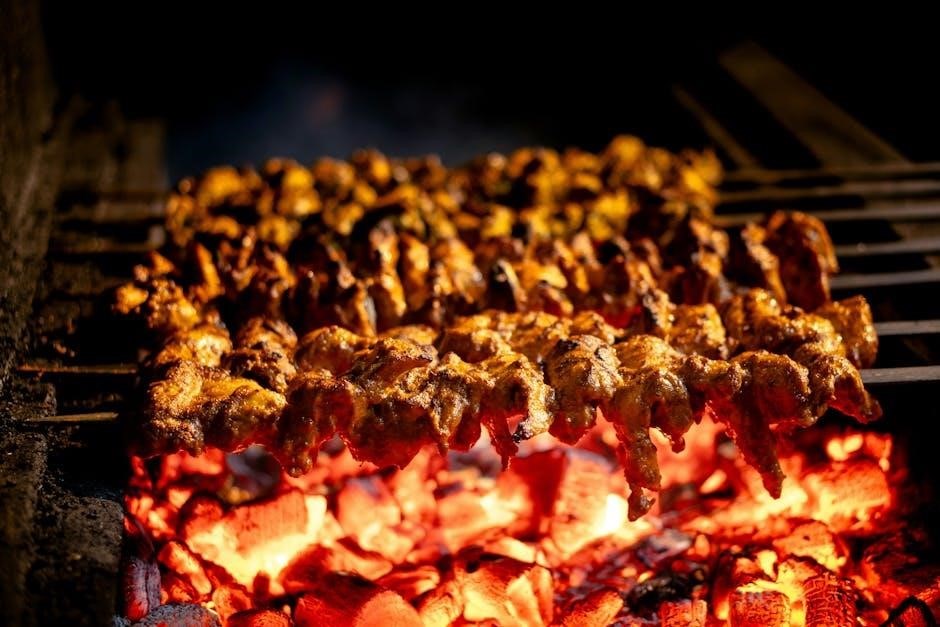
Grilling is a fantastic way to infuse Kirkland chicken wings with a smoky, savory flavor. Begin by ensuring your grill is clean and preheated to medium-high heat – around 375-450°F (190-232°C) is ideal. For optimal results, thaw the wings completely before grilling, patting them dry with paper towels to promote crispy skin.
Lightly oil the grill grates to prevent sticking. Arrange the wings in a single layer, ensuring they aren’t overcrowded. Grill for approximately 20-25 minutes, flipping halfway through, until the internal temperature reaches 165°F (74°C).
Basting with your favorite wing sauce during the last 5-10 minutes of grilling adds a delightful glaze. Remember to monitor the wings closely to prevent burning, adjusting the heat as needed. Grilling delivers a wonderfully charred and flavorful experience!
Grilling Time & Temperature
Achieving perfectly grilled Kirkland wings hinges on precise time and temperature control. A preheated grill, set to medium-high heat – typically between 375°F and 450°F (190°C ー 232°C) – is crucial. Thawed wings require approximately 20 to 25 minutes of grilling time, but this can vary based on grill intensity and wing size.
Flip the wings halfway through the cooking process to ensure even cooking and prevent burning. Utilize a meat thermometer to verify an internal temperature of 165°F (74°C) in the thickest part of the wing.
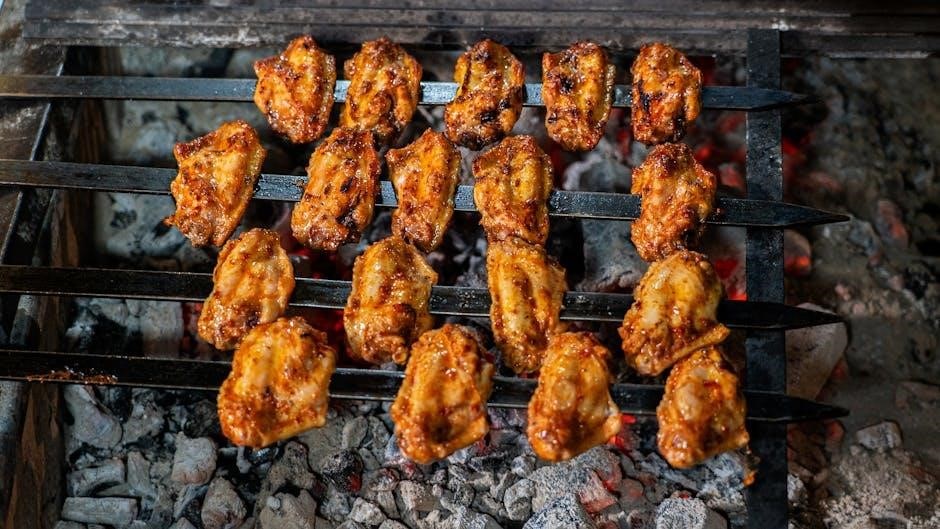
If grilling directly from frozen, increase the cooking time by 10-15 minutes. Regularly check for doneness and adjust the heat if necessary. Consistent monitoring guarantees juicy, flavorful, and safely cooked Kirkland chicken wings every time.
Baking Kirkland Chicken Wings
Baking offers a convenient and consistent method for cooking Kirkland chicken wings, especially for larger batches. Preheat your oven to 400°F (200°C). For optimal results, arrange the wings in a single layer on a baking sheet lined with parchment paper or foil – this prevents sticking and simplifies cleanup.
Baking thawed wings typically requires 30-40 minutes, while frozen wings may need 45-50 minutes. Flip the wings halfway through the baking process to promote even browning and crisping.
For extra crispy wings, consider broiling for the last 5-10 minutes, keeping a close watch to prevent burning. Ensure the internal temperature reaches 165°F (74°C) before serving. Baking delivers reliably delicious wings with minimal effort.
Optimal Baking Temperature & Duration
Achieving perfectly baked Kirkland wings hinges on temperature and time. A consistent 400°F (200°C) is ideal for rendering the fat and creating crispy skin. For thawed wings, a baking duration of 30-40 minutes generally suffices, but always verify internal temperature.
Frozen wings require a longer bake time, typically 45-50 minutes. Remember, oven variations exist, so monitoring is crucial. Flipping the wings midway – around the 20-minute mark – ensures even cooking and browning on all sides.
To maximize crispiness, a final 5-10 minute broil, closely supervised, is highly recommended. The internal temperature must reach 165°F (74°C) for safe consumption. Adjust baking time based on wing size and oven performance.
Frying Kirkland Chicken Wings
Frying Kirkland wings delivers unparalleled crispiness and flavor, but demands careful attention to safety and technique. Begin by ensuring the wings are fully thawed for even cooking and to prevent oil splatter. A deep fryer or a large, heavy-bottomed pot works best.
The ideal frying temperature is 375°F (190°C). Use a thermometer to maintain this consistently. Fry wings in batches to avoid overcrowding the oil, which lowers the temperature and results in soggy wings. Each batch typically takes 8-12 minutes.
Safety is paramount: Never leave hot oil unattended. Carefully lower wings into the oil using tongs. Remove and drain on a wire rack lined with paper towels. Ensure the internal temperature reaches 165°F (74°C) before serving.
Best Oil for Frying & Safety Precautions
Choosing the right oil is crucial for perfectly fried Kirkland wings. Peanut oil is ideal due to its high smoke point and neutral flavor, resulting in exceptionally crispy wings. Canola and vegetable oil are suitable alternatives, but monitor the temperature closely. Avoid olive oil, as its lower smoke point can lead to burning and off-flavors.
Safety first! Always use caution when working with hot oil. Ensure the pot is dry before adding oil to prevent violent splattering. Never add wet wings to the hot oil. Keep a fire extinguisher nearby and know how to use it.
Avoid overcrowding the fryer; this lowers the oil temperature and increases cooking time, potentially leading to greasy wings. Wear oven mitts and long sleeves for protection. Dispose of used oil safely – never pour it down the drain!
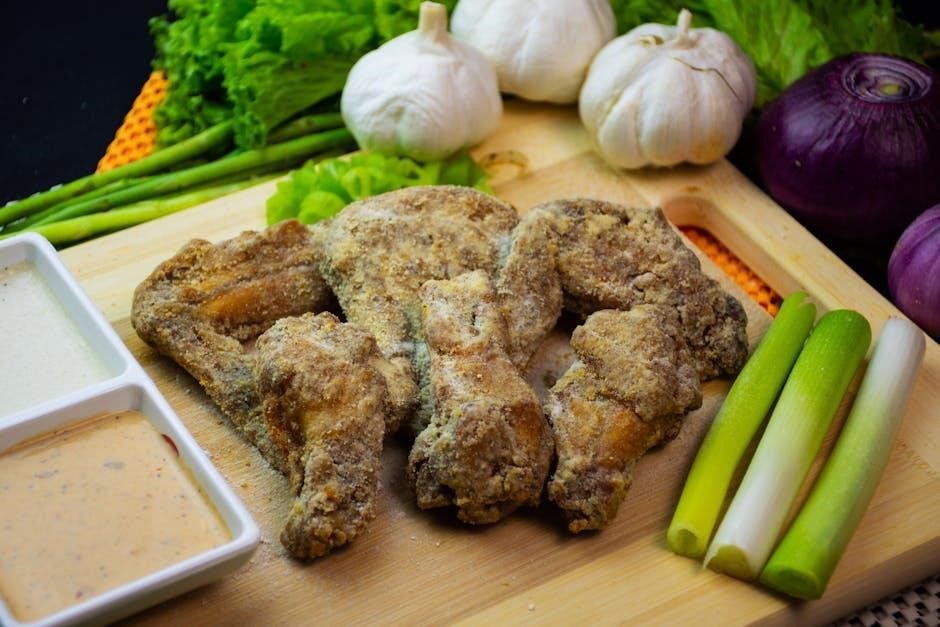
Preparing Kirkland Chicken Wings for Cooking
Unlock maximum flavor! Properly thawing, brining, or marinating Kirkland wings enhances texture and taste, ensuring a delicious outcome with every cooking method chosen.
Thawing Kirkland Chicken Wings
Safe thawing is crucial for optimal results. Due to the wings being individually flash-frozen and often containing a solution of water and kosher salt, proper thawing ensures even cooking and prevents a rubbery texture. The recommended method is refrigerator thawing – place the desired amount of wings in a large bowl or container and let them thaw slowly in the refrigerator for 12-24 hours, depending on the quantity.
Avoid thawing at room temperature, as this can promote bacterial growth. If you’re short on time, you can use the cold water method: place the wings in a leak-proof bag and submerge them in cold water, changing the water every 30 minutes until fully thawed. Never refreeze wings that have been thawed using the cold water method. Always ensure the wings are fully thawed before cooking for best results and even heat distribution throughout.
Brining Kirkland Chicken Wings
Brining elevates Kirkland wings to a new level of juiciness and flavor! Considering these wings often contain a solution already, a shorter brine is recommended to avoid over-salting. A simple brine consists of 1/2 cup kosher salt and 1/4 cup sugar dissolved in 4 cups of cold water. Submerge the thawed wings in the brine for 2-4 hours in the refrigerator.
Brining helps the wings retain moisture during cooking, resulting in a more tender and flavorful final product. You can enhance the brine with aromatics like peppercorns, garlic cloves, or bay leaves. After brining, rinse the wings thoroughly under cold water and pat them completely dry with paper towels before proceeding with your chosen cooking method. This ensures crispy skin and optimal sauce adhesion.
Marinating Kirkland Chicken Wings
Marinating Kirkland wings infuses them with incredible flavor! While brining focuses on moisture, marinating builds layers of taste. A basic marinade includes an acid (like lemon juice or vinegar), oil, and seasonings. Consider a blend of soy sauce, garlic, ginger, and a touch of honey for an Asian-inspired flavor, or hot sauce, paprika, and cayenne pepper for a spicy kick.
Marinate the thawed and dried wings for at least 30 minutes, but ideally 2-4 hours in the refrigerator. Longer marination times allow the flavors to penetrate deeper. Avoid marinating for more than 24 hours, as the acid can begin to break down the chicken’s texture. Before cooking, remove the wings from the marinade and pat them dry for optimal crispiness. Discard the used marinade safely.
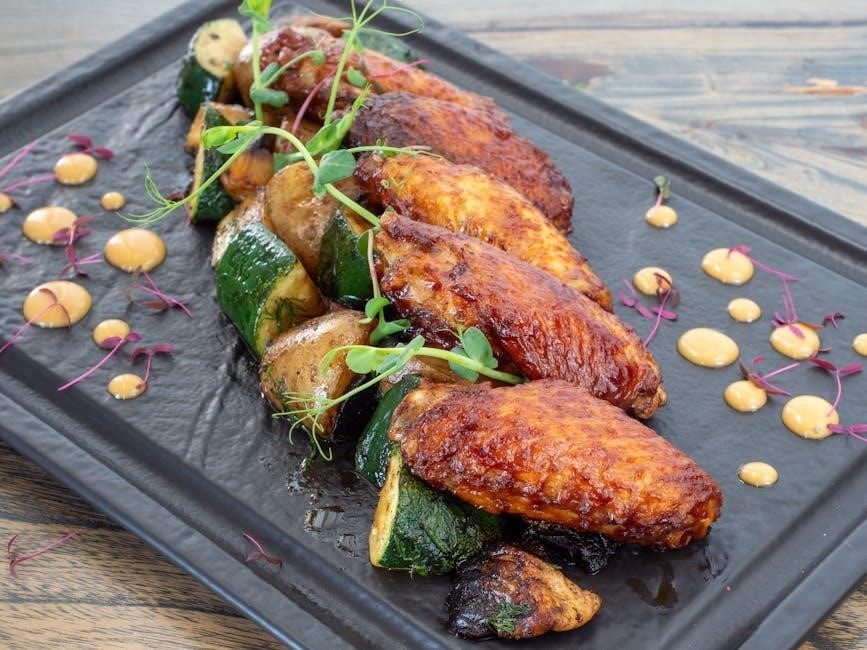
Sauces & Seasonings for Kirkland Wings
Elevate your wings! Explore diverse sauces – from classic Buffalo to exotic blends – and dry rubs for a personalized, flavorful experience with Kirkland’s wings.
Popular Wing Sauce Options
A world of flavor awaits! When it comes to wing sauces, the possibilities are truly endless. Classic Buffalo sauce, ranging from mild to blazing hot, remains a perennial favorite, offering that perfect balance of tangy heat. For those seeking a sweeter profile, Honey Garlic sauce delivers a delightful combination of sweetness and savory notes.
Barbecue sauce, in its myriad variations – from smoky Kansas City style to tangy Carolina gold – provides a rich and satisfying coating. Lemon Pepper sauce offers a zesty and aromatic experience, while Teriyaki sauce introduces an Asian-inspired sweetness and umami. Don’t overlook the versatility of Parmesan Garlic, a creamy and flavorful option.
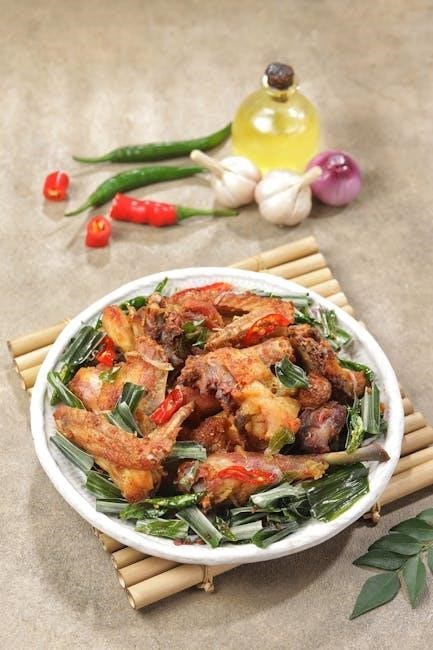
Experimenting with different heat levels and flavor profiles is encouraged! Consider a Mango Habanero sauce for a tropical kick, or a Korean Gochujang sauce for a unique and spicy experience. Ultimately, the best wing sauce is the one that tantalizes your taste buds.
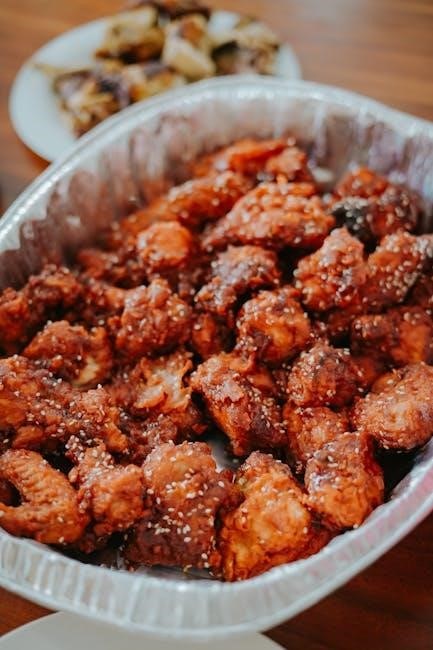
Dry Rubs & Seasoning Blends
Elevate your wings beyond the sauce! Dry rubs offer a fantastic way to infuse Kirkland wings with intense flavor before cooking. A classic blend of paprika, garlic powder, onion powder, cayenne pepper, and black pepper creates a foundational savory and slightly spicy profile. For a smoky depth, incorporate smoked paprika and a touch of brown sugar.
Lemon pepper seasoning provides a bright and zesty alternative, while Cajun blends deliver a bold and spicy kick. Explore blends featuring herbs like oregano, thyme, and rosemary for an aromatic experience. Don’t be afraid to experiment with unique combinations – chili powder, cumin, and coriander offer a Southwestern flair.
Applying the rub generously and allowing it to sit for at least 30 minutes (or even overnight) allows the flavors to penetrate the chicken, resulting in incredibly flavorful wings.
Safety & Storage Information
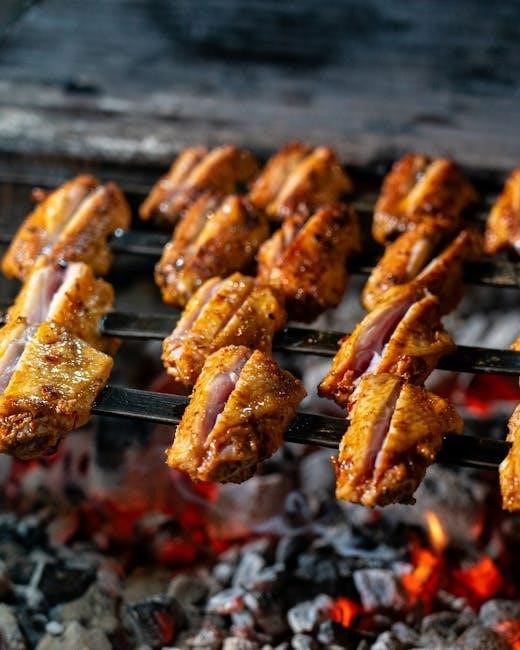
Prioritize food safety! Handle raw Kirkland wings carefully, prevent cross-contamination, and store leftovers promptly in the refrigerator to maintain quality.
Safe Handling of Raw Chicken
Protect yourself and your family by adhering to strict food safety guidelines when handling Kirkland Signature Chicken Wings. Raw chicken can harbor harmful bacteria, so diligent practices are crucial. Always begin by washing your hands thoroughly with soap and warm water for at least 20 seconds before and after handling the wings.
Use separate cutting boards and utensils for raw chicken and other foods to prevent cross-contamination. Never rinse raw chicken, as this can spread bacteria around your kitchen. Ensure all surfaces that come into contact with the raw wings are thoroughly cleaned and sanitized with a bleach solution or disinfectant.
Keep raw chicken refrigerated at 40°F (4°C) or below. If the wings have partially thawed during preparation, cook them immediately. Discard any wings that have been left at room temperature for more than two hours. Proper handling minimizes risk and ensures a safe, delicious meal.
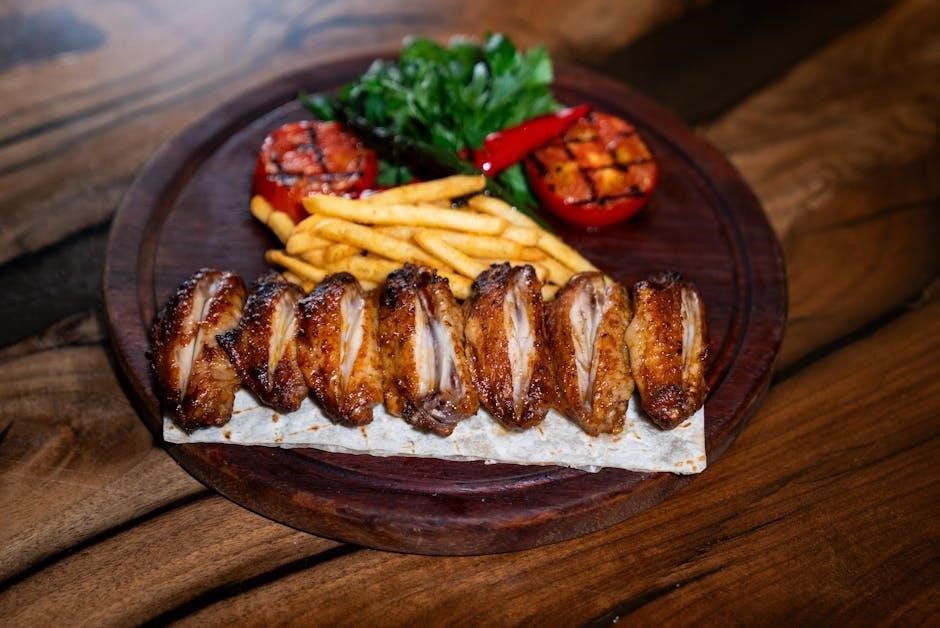
Storing Leftover Kirkland Chicken Wings
Proper storage is essential to maintain the quality and safety of leftover Kirkland Signature Chicken Wings. Promptly refrigerate any uneaten wings within two hours of cooking. Store them in airtight containers or tightly sealed plastic bags to prevent contamination and maintain freshness.
Refrigerated leftover wings are best consumed within 3-4 days. For longer storage, freeze the wings. Wrap them tightly in freezer-safe plastic wrap, then place them in a freezer bag, removing as much air as possible. Frozen wings can maintain good quality for up to 2-3 months.
When reheating, ensure the wings reach an internal temperature of 165°F (74°C) to kill any potential bacteria. Reheating methods include baking, frying, or microwaving. Discard any wings that show signs of spoilage, such as an off odor or slimy texture.