
Overview of Coat Size Guide
Choosing the right coat size requires understanding chest, sleeve, and waist measurements, plus material and fit style․ A standard chart maps sizes (XS–XL) to chest ranges, while sleeve options (regular/long) adjust for height․ Tailored coats offer precise fit, ready‑made rely on averages for all body type
Standard Size Chart for General Coats
Below is a concise reference for the most common general‑coat sizes used worldwide․ The chart lists each size label, the corresponding chest measurement range in inches, and the approximate U․S․ size number․ These ranges are based on the latest industry data and are intended to help shoppers quickly find the best fit for their body type․
- 2XS – Chest 26–28 in (66–71 cm) – U․S․ 0–2
- XS – Chest 28–30 in (71–76 cm) – U․S․ 4–6
- S – Chest 30–32 in (76–81 cm) – U․S․ 8–10
- M – Chest 32–34 in (81–86 cm) – U․S․ 12–14
- L – Chest 34–36 in (86–91 cm) – U․S․ 16–18
- XL – Chest 36–38 in (91–97 cm) – U․S․ 20–22
- 2XL – Chest 38–40 in (97–102 cm) – U․S․ 24–26
- 3XL – Chest 40–42 in (102–107 cm) – U․S․ 28–30
When selecting a size, measure across the fullest part of the chest, keeping the tape level and snug but not tight․ If your measurement falls between two sizes, it is generally safer to choose the larger option for a comfortable, unrestrictive fit․ For more detailed guidance on sleeve length, waist, and material considerations, consult the dedicated sections of this guide․
Customers seeking a precise fit may measure shoulders and waist, though these are not in this chart! for better fit

Chest Measurement Ranges for Each Size
Below is a detailed breakdown of chest measurements that correspond to each standard coat size․ These ranges are derived from the latest sizing data available on the web and are expressed in both inches and centimeters for convenience․ Measuring your chest accurately is essential; wrap the tape measure around the fullest part of your torso, just under the armpits, and keep it level across the back․ The resulting number will guide you to the most appropriate size for a comfortable fit․
When selecting a size, it is important to consider the garment’s length․ A standard coat typically has a chest width that allows for a small amount of movement, but not so loose that it drapes excessively․ For most adults, a chest measurement that falls within the listed range will provide a balanced fit, with the front panels slightly overlapping the back to accommodate natural body curves․ It fits well for most now!
- 2XS – 26–28 in (66–71 cm)
- XS – 28–30 in (71–76 cm)
- S – 30–32 in (76–81 cm)
- M – 32–34 in (81–86 cm)
- L – 34–36 in (86–91 cm)
- XL – 36–38 in (91–97 cm)
- 2XL – 38–40 in (97–102 cm)
- 3XL – 40–42 in (102–107 cm)
For individuals whose chest measurement falls exactly on the boundary between two sizes, it is advisable to choose the larger size to ensure a comfortable, non‑restrictive fit․ This also accommodates slight variations in garment construction across manufacturers․ If you are in doubt, consult the brand’s specific size chart or contact customer support for personalized advice soon․
Sleeve Length Variations (Regular vs․ Long)
When selecting a coat, sleeve length is a key factor that can dramatically affect comfort and style․ Most manufacturers offer two primary sleeve options: regular and long․ Regular sleeves end at the mid‑bicep or just below the elbow, providing a classic look that suits most body proportions․ Long sleeves extend to the wrist or beyond, offering extra coverage for taller individuals or those who prefer a dramatic silhouette․
To determine which sleeve length is best for you, measure from the center of the back of your neck, over the shoulder, down to the desired cuff point․ For regular sleeves, the target length is 1–2 inches shorter than the full arm span, whereas long sleeves aim to match the arm span or exceed it by 2 inches․ If you have a longer torso or a higher shoulder line, long sleeves will prevent the coat from appearing too short or stiff․
When a coat is labeled “L‑L” or “XL‑L,” the second “L” indicates a long sleeve version of the standard size․ These designations are common in lab coat sizing, where functional coverage is essential․ For everyday fashion coats, many brands list “Regular” and “Long” as separate styles․ Choosing the correct sleeve length also influences how the coat drapes over your shoulders and down your arms, ensuring a balanced, flattering fit․
In practice, try on both sleeve lengths whenever possible․ Pay attention to how the cuffs sit relative to your wrists and whether the coat’s hem falls at a comfortable height․ A sleeve length will enhance the overall silhouette, provide adequate protection, and maintain a polished appearance in any setting․!!!․․․?

Waist and Hip Fit Considerations
Measure the narrowest part of your torso, usually just above the belly button, for waist fit․ For hip fit, measure the fullest part of your hips․ If your waist is much smaller than the chest, a regular coat may sit high and look tight․ In such cases, a waist‑adjusted or tapered style can accommodate a smaller waist while keeping a full chest․ Longer sleeves add coverage for taller wearers․
Hip measurements are especially relevant for longer coats or those with a full skirt․ A coat that is too narrow at the hips can cause a “pencil” effect, pulling the garment tight and creating a strained appearance․ Look for coats labeled “full” or “A‑line” if you have a larger hip circumference․ Brands offer a drop feature for hip length․
Waist and hip measurements are crucial for a balanced silhouette․ If your waist is significantly smaller than your chest, a regular coat may sit high and look tight․ A tapered or waist‑adjusted style can accommodate a smaller waist while maintaining a full chest․ For longer coats, a drop feature adds hip length․
When shopping online, always check the waist and hip dimensions listed in the product description․ If the coat is described as “unlined” or “lightweight,” the fabric may stretch slightly, allowing a tighter waist to become more forgiving․ Tailored coats often include a hidden elastic or a button‑down waistline to adjust fit․ This fits!․
Well‑fitted waist and hip enhance the coat’s aesthetic and ensure freedom of movement․ Measure accurately, compare to the brand’s chart, and consider style variations such as tapered, full, or drop to find the best match for your body shape․ Also cuts days now!․

Adjusting for Height (Tall vs․ Short)
Height determines sleeve length, torso coverage, and overall proportion․ Tall wearers often find standard coats too short, leading to a cropped look․ Many brands offer a “Long” or “Tall” option that adds 2–3 inches to both the sleeve and body․ This keeps the coat draping over the hips and ending just above the wrist, preserving a classic silhouette․
Shorter individuals may feel that regular coats sit too low on the torso, making the garment appear longer than the body and dragging at the hem․ “Short” or “Regular” styles trim the body by 2–3 inches while keeping sleeve length proportionate, maintaining balance without sacrificing coverage․
Shoulder width and chest circumference also play a role․ Tall coats usually have broader shoulders to accommodate a longer torso, while short coats feature a narrower shoulder line․ If you’re between sizes, a tailor can adjust sleeve length, add a hem, or modify the waist to suit your height․ Many online retailers provide a height‑based size recommendation tool that cross‑references your height with the brand’s specific measurements․
When shopping, try on a coat in person or order multiple sizes online to compare fit․ Pay attention to how the coat sits at the waist, how the sleeve ends, and whether the hem falls at a comfortable length․ A well‑adjusted coat enhances confidence and ensures the garment complements your stature․ Remember, a coat that fits well should allow you to move freely and should not feel restrictive at shoulders waist․!
Material Impact on Fit (Wool, Cotton, Synthetic)
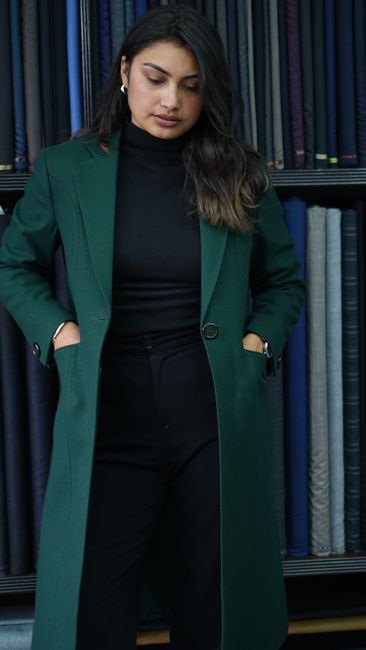
Wool coats offer natural stretch that lets the garment hug the body while staying roomy․ The fiber’s elasticity means a standard size often sits slightly looser around the chest and waist․ For a tighter look, choose a wool blend with a touch of elastane or a tailored cut․ It drapes lightly and feels soft․
Cotton coats are generally more rigid, lacking the stretch of wool․ This rigidity can make a standard size feel tighter in the shoulders and chest, but it also provides a crisp, structured silhouette․ Because cotton does not expand, it is advisable to choose a size one step up if you have a broader frame or if you plan to layer underneath․
Synthetic fabrics such as polyester or nylon blends offer the best compromise between stretch and shape retention․ They are engineered to maintain their form after washing and to resist wrinkles․ Many synthetic coats include a small amount of spandex, giving them a subtle give that helps accommodate movement without compromising the overall fit․
When selecting a coat, pay close attention to the fabric composition listed on the label․ A wool‑heavy coat will require a slightly larger size than a cotton or synthetic counterpart of the same nominal size․ Additionally, consider how the material reacts to temperature and moisture; wool provides warmth but can feel heavy, while synthetics dry quickly but may not offer the same insulation․
Ultimately, the best fit comes from matching the material’s characteristics with your body shape and layering habits․ Test the coat’s drape and movement before purchase, and don’t hesitate to ask the retailer for specific measurements or try‑on advice based on the fabric type․
Tailored vs․ Ready‑Made Coats
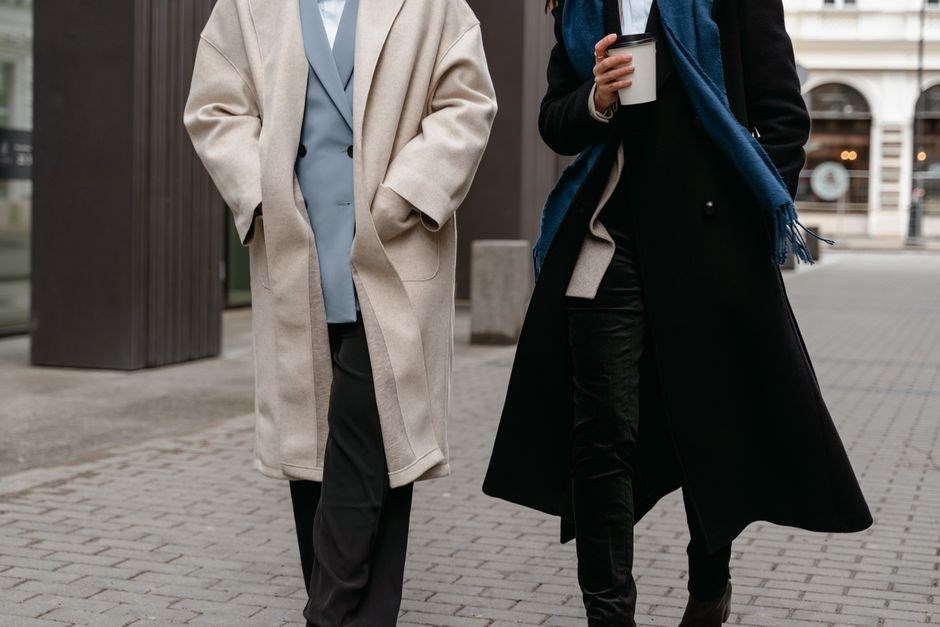
Ready‑made coats are produced in standard sizes that fit a broad range of body types․ They rely on a universal sizing chart, which means the garment may feel slightly loose or tight in specific areas such as the chest, waist, or sleeves․ Because the cut is fixed, adjustments are limited to adding or removing layers underneath․
Tailored coats, on the other hand, are crafted to match individual measurements․ The manufacturer takes precise chest, waist, hip, and sleeve lengths, then sews the coat to those dimensions․ This results in a garment that sits naturally on the shoulders, fits comfortably around the torso, and allows for a more flattering silhouette․ Tailored coats also accommodate variations in height, allowing for longer or shorter sleeves as needed․
When choosing between the two, consider your lifestyle and body shape․ If you prefer a quick, cost‑effective option that still offers decent fit, a ready‑made coat in your standard size may suffice․ If you have a unique body shape, need a precise fit for professional settings, or want a coat that drapes elegantly, the decision ultimately hinges on how much customization you desire and how the coat will be worn in everyday or formal contexts․
Ready‑made coats are convenient for quick washing or dry‑cleaning, making them suitable for busy schedules․ Tailored coats, however, may need special care to keep their precise fit; hand‑washing or professional cleaning is often recommended․ Pricing also differs: ready‑made options are generally more affordable, while tailored garments command a premium due to customization․ If budget is tight, a ready‑made coat can still look polished if the fit is close to your measurements․ For larger chests or longer torsos, tailoring ensures no restriction․ Ultimately, choose based on maintenance ease, price, and the level of fit precision you require!

Lab Coat Size Specifics and PPE Voucher Reference
Lab coats follow a distinct sizing system that aligns with professional safety standards․ The most common chart ranges from 2XS to 3XL, with chest measurements in inches: 2XS covers 26‑28, XS 30‑32, S 34‑36, M 38‑40, L 42‑44, XL 46‑48, 2XL 50‑52, and 3XL 54‑56․ Each size is available in two sleeve lengths: Regular (R) and Long (L)․ For example, a Large with longer sleeves is labeled L‑L, while an Extra‑Large with long sleeves is XL‑L․ The lab coat type you receive is indicated on your LHAT PPE Voucher, which specifies the exact size and sleeve length required for your role․ When ordering, reference the voucher’s size code to ensure you select the correct garment․ If you are between sizes, the voucher will recommend the next larger size to maintain adequate coverage and compliance․ Proper fit is critical; a coat that is too tight can restrict movement, while one that is too loose may compromise safety․ Always double‑check the chest, waist, and sleeve measurements against the voucher before finalizing your order․
The voucher also lists the required material grade and any additional protective features, such as fire‑resistant lining or reinforced cuffs, which are essential for compliance with institutional safety protocols․ When selecting a size, always compare your personal chest, waist, and sleeve measurements to the chart provided on the voucher, and choose the next larger size if you fall between two options․ This practice ensures that the coat will not only meet regulatory standards but also provide optimal comfort during long periods of wear

Special Sleeve Options (L‑L, XL‑L)
In many coat collections, the sleeve length is a critical factor that can affect both comfort and compliance․ Two of the most frequently requested variations are the L‑L (Large‑Long) and XL‑L (Extra‑Large‑Long) options․ These sleeves are designed for individuals whose torso length exceeds the standard sleeve length, ensuring that the cuffs fall just below the wrist and that the coat provides full coverage during movement․ The L‑L sleeve is typically available for sizes Large, while the XL‑L sleeve is offered for Extra‑Large․ When selecting a long sleeve, it is essential to measure the arm from the shoulder seam to the wrist, including any cuff or sleeve extension․ This measurement should be compared to the manufacturer’s sleeve chart, which lists the exact length in inches for each size and sleeve combination․ If your measurement falls between two listed lengths, choose the longer sleeve to avoid a restrictive fit․ Long sleeves also help maintain a consistent protective barrier in laboratory or industrial environments, where extended reach or tool use may expose the forearm․ The long‑sleeve design also reduces accidental contact with hot surfaces!! When ordering, be sure to specify the desired sleeve length on the order form or in the comments section, as some retailers default to regular sleeves․ Finally, remember that the sleeve length can impact the overall silhouette of the coat; a longer sleeve may create a slightly looser fit at the waist, so consider pairing the coat with a belt or adjusting the waist size accordingly․
Online Size Conversion Tables (US to UK to EU)
When shopping for coats online, many retailers provide a conversion table to translate US, UK, and EU sizes into a single reference point․ The most common approach is to list the chest measurement in inches for US sizes, the corresponding chest in centimeters for EU sizes, and the UK equivalent․ For example, a US Large (chest 40–42 inches) typically converts to a UK Large or 56–58, and an EU 56–58․ A US Medium (38–40 inches) becomes a UK Medium or 54–56, and an EU 54–56․ The conversion table also includes sleeve length and waist measurements, which are critical for coats that have a tailored fit․ Many sites use a standard chart that shows the US size, UK size, EU size, chest in inches, chest in centimeters, sleeve length in inches, sleeve length in centimeters, and waist in inches․ This allows buyers to compare their own measurements to the chart and select the best fit․ Many online stores also provide a tool that asks for your chest, waist, and sleeve length, then recommends a US, UK, or EU size․ When using the conversion table, remember that the UK size is usually one size smaller than the US size for the same chest measurement, while the EU size is larger․ Always double‑check the specific brand’s chart, as there are slight variations between manufacturers․ Additionally, if you are ordering a long‑sleeve coat, check the sleeve length column to ensure the coat will reach your wrist․ Finally, keep in mind that the conversion table is a guide; the best practice is to measure your body and compare those numbers to the chart․ Finally,!!nowthe nowkeep in mind that conversion table is a guide; best practice is to measure your body and compare those numbers to chartexactly!․
Tips for Taking Accurate Body Measurements
Accurate measurements are the foundation of a well‑fitting coat․ Start by using a flexible, non‑stretch measuring tape and a mirror to keep the tape level․ Measure your chest at the fullest point, pulling the tape snug but not tight, and record the number in inches․ For the waist, wrap the tape around the narrowest part of your torso, usually just above the belly button, and keep the tape lies flat․ Sleeve length should be taken from the shoulder seam to the wrist, following the natural curve of the arm; a relaxed arm gives a more realistic length for regular sleeves, while a slightly extended arm is appropriate for long‑sleeve styles․ Height can be measured from the floor to the top of your head, and hip circumference is taken at the widest part of the buttocks․ Always double‑check each measurement by taking it twice and averaging the results․ Keep a small notebook or a digital note to record each figure, and compare them against the brand’s size chart before ordering․ If you’re between sizes, consider the coat’s intended use: a tighter fit for formal wear, a looser cut for layering․ Finally, remember that fabric type influences fit; wool tends to shrink slightly, so a slightly larger size may be advisable for wool blends․ When measuring sleeve length, ensure the arm is in a natural, relaxed position; avoid pulling the arm up, which can over‑estimate the length․ For coats with a high collar, measure from the base of the neck to the top of the collar to determine the collar height․ Remember to double‑check measurements before finalizing your order and return

Common Mistakes When Choosing Coat Size
Remember that a coat’s fit is about comfort, layering․ A larger size gives breathing room for sweaters; a smaller one looks sharper in formal settings․ Try on the coat, check collar, cuffs, pockets․ Test in the environment you’ll use it in—outdoor wind, indoor heat, lab setting—to ensure it meets style safety needs․!
Final Recommendations for Selecting the Right Coat
Choosing the right coat involves more than just picking a color․ Start by measuring your chest, waist, and sleeve length with a flexible tape, then compare those numbers to a reliable size chart that includes both standard and long‑sleeve options․ For everyday wear, a size that leaves a 1‑inch gap at the chest and a 2‑inch gap at the waist will comfortably accommodate layers․ If you frequently wear bulky sweaters or lab coats, select the next larger size to avoid restriction․ Pay close attention to collar fit; it should sit snugly without pinching․ Check that the cuffs fall just below the wrist when the arm is relaxed․ For formal or tailored coats, a slim cut that follows your natural silhouette is ideal, whereas a relaxed cut offers more freedom․ Always try on the coat with the clothing you plan to wear underneath, and walk around to ensure mobility․ If the coat is for a professional environment, verify that it meets any required safety or PPE standards, such as fire resistance or chemical protection․ Finally, read return policies before purchase, as many retailers offer free returns within a set period․ This balanced approach ensures a coat that looks sharp, fits well, and meets your functional needs․ When shopping online, always check the brand’s specific sizing guide, as some brands run smaller or larger than standard charts․ Additionally, consider the coat’s intended use: a lightweight trench may fit differently than a heavy wool pea coat․ Finally, if you have a unique body shape, consult a tailor for a custom fit․