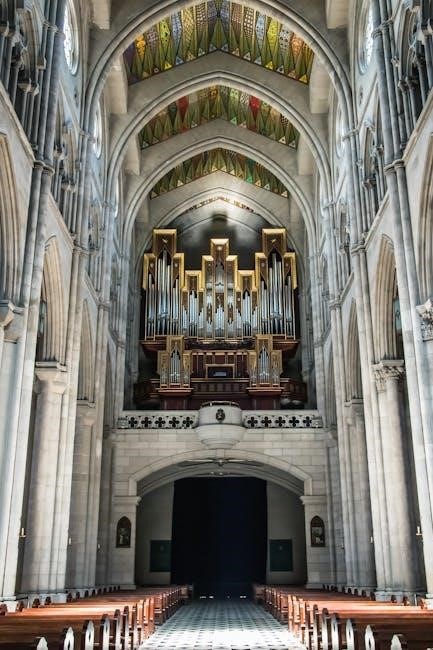
Heritage Mass PDFs represent a crucial intersection of cultural preservation and modern documentation, utilizing digital formats to disseminate information about significant sites.
These documents increasingly shape public understanding and engagement with our shared past, reflecting contemporary cultural values.
Defining Heritage Mass PDF
Heritage Mass PDFs are digitally distributed Portable Document Format (PDF) files specifically designed to comprehensively document and present cultural heritage information to a broad audience. These aren’t simply scanned historical documents; they are often meticulously compiled resources, encompassing archaeological reports, site surveys, restoration plans, and interpretive materials.
They function as a standardized, accessible medium for sharing complex data related to immovable cultural heritage sites – like the St; Nicholas Church & School – and intangible heritage. The Catalan Media Corporation’s sponsorship initiatives demonstrate a growing recognition of the PDF’s role in promoting heritage awareness. Crucially, these PDFs facilitate wider dissemination than traditional methods, bridging gaps between researchers, policymakers, and the public, fostering a more informed and engaged citizenry regarding their cultural legacy.
Scope and Relevance in Contemporary Culture
The scope of Heritage Mass PDFs extends far beyond academic circles, impacting contemporary culture by democratizing access to heritage information. They serve as vital tools for education, tourism, and community engagement, influencing how we perceive and interact with the past.
Their relevance is amplified by the digital age, offering a cost-effective and environmentally sustainable alternative to physical archives. The increasing focus on digital heritage preservation, alongside legal frameworks protecting cultural sites, underscores their importance. Initiatives like those by the Catalan Media Corporation highlight the role of mass communication in promoting heritage. Furthermore, analyzing contradictions within these narratives, as researchers do, is crucial for a nuanced understanding of our collective history.
Historical Context of Heritage Preservation
Historically, heritage preservation evolved from early documentation to leveraging mass communication, ultimately leading to the current era of digitally accessible Heritage Mass PDFs.
Early Forms of Heritage Documentation
Before the advent of mass media and digital technologies, heritage documentation relied heavily on meticulous, often laborious, methods. Archaeological reports, sketches, and written accounts formed the cornerstone of preserving knowledge about cultural sites and artifacts. These early efforts, while valuable, were often limited in reach and accessibility.
Initial documentation frequently served a scholarly audience, with information disseminated through academic publications and private collections. The inherent challenges of reproducing and distributing these materials restricted broader public engagement. Oral traditions played a vital role, transmitting heritage through storytelling and communal memory, but were vulnerable to alteration and loss over time. The need for more efficient and widespread documentation methods ultimately paved the way for the integration of mass communication technologies and, eventually, the Heritage Mass PDF.
The Rise of Mass Communication & Heritage
The 20th century witnessed a transformative shift with the rise of mass communication – radio and television – profoundly impacting heritage representation. These mediums offered unprecedented opportunities to reach vast audiences, democratizing access to cultural narratives previously confined to academic circles.
Television documentaries brought archaeological sites and historical events into homes, fostering public interest and support for preservation efforts. Radio broadcasts preserved and disseminated oral histories, safeguarding intangible cultural heritage. However, this new accessibility also introduced challenges, including potential for simplification, sensationalism, and biased interpretations.
The emergence of Catalan Media Corporation’s sponsorships exemplifies this trend, highlighting the growing recognition of heritage’s value in public discourse. This period laid the groundwork for the later adoption of digital formats like the Heritage Mass PDF, building upon the foundations of mass-mediated heritage experiences.

The Role of Mass Media in Heritage Representation
Mass media, including television and radio, historically shaped public perception of heritage, influencing preservation efforts and cultural understanding through accessible narratives.
Television and Heritage Sites
Television played a pivotal role in bringing heritage sites to a wider audience, often employing documentary formats to showcase historical significance and architectural beauty.
However, representation wasn’t always neutral; selective framing and narrative choices could influence public perception. The Catalan Media Corporation’s sponsorships, as noted, demonstrate a direct link between broadcasting and heritage promotion.
Early television programs frequently featured on-location filming, creating immersive experiences for viewers. This exposure, coupled with the increasing availability of Heritage Mass PDFs detailing archaeological reports and site information, fostered greater public interest.
The medium’s capacity for visual storytelling made complex historical contexts more accessible, though potential for simplification or sensationalism remained a concern.
Radio and Oral Heritage Transmission
Radio historically served as a vital medium for transmitting oral traditions and local histories, particularly crucial before widespread visual media. While not directly linked to Heritage Mass PDFs in its initial form, radio broadcasts often stimulated interest in local heritage, prompting further research and documentation.
Programs featuring interviews with local historians and storytellers preserved intangible cultural heritage. This oral transmission, however, faced challenges regarding accuracy and consistency.
The advent of digital recording and the creation of PDF archives now allows for the preservation of these radio broadcasts alongside related documentation, creating a richer, multi-faceted heritage resource.
These digitized oral histories complement textual and visual materials, offering diverse perspectives and enhancing the accessibility of cultural narratives.

Digital Heritage and PDF Formats
PDFs offer a stable, widely accessible format for Heritage Mass documentation, ensuring long-term preservation of crucial information about cultural sites and traditions.
Advantages of PDF for Heritage Documentation
PDF (Portable Document Format) provides several key advantages when utilized for Heritage Mass documentation. Its platform independence ensures consistent rendering across various operating systems and devices, vital for broad accessibility. PDFs reliably preserve formatting, fonts, and images, safeguarding the integrity of original documentation – archaeological reports, site surveys, and historical records – over time.
Furthermore, PDFs support embedded multimedia, allowing for the inclusion of photographs, videos, and audio recordings directly within the document, enriching the heritage narrative. The format’s compression capabilities facilitate manageable file sizes, easing storage and distribution. Crucially, PDFs can be digitally signed, verifying authenticity and preventing unauthorized alterations, a critical aspect of heritage preservation and legal compliance.
OCP (Oregon Catholic Press) utilizes PDF for their Heritage Mass keyboard/vocal editions, demonstrating its suitability for complex layouts and musical notation.
Accessibility and Preservation Concerns
Despite the advantages, Heritage Mass PDFs present accessibility and long-term preservation challenges. While widely supported, PDFs can be difficult for individuals using assistive technologies – screen readers – to navigate if not properly tagged and structured. Ensuring compliance with accessibility standards is crucial for inclusive heritage engagement.
Long-term preservation requires proactive file format migration strategies. PDF standards evolve, and older versions may become obsolete, potentially rendering documents unreadable. Digital preservation policies must address this risk through regular format conversion and metadata management.
Furthermore, reliance on digital storage introduces vulnerability to data loss due to hardware failure or cyber threats. Robust backup systems and disaster recovery plans are essential. The Corporació Catalana de Mitjans Audiovisuals’ contractant profile highlights the importance of secure digital platforms for heritage-related sponsorships and documentation.

Heritage Mass PDF: Content Analysis
Heritage Mass PDFs commonly include archaeological reports, site documentation, historical narratives, and visual materials, often detailing immovable cultural heritage sites and legal frameworks.
Common Elements within Heritage Mass PDFs
Heritage Mass PDFs consistently feature a core set of elements crucial for comprehensive documentation. These invariably include detailed textual descriptions of sites, often encompassing historical context, architectural analysis, and significance assessments. High-resolution imagery – photographs, maps, and plans – are fundamental, providing visual records of the heritage asset.
Furthermore, these PDFs frequently incorporate legal documentation pertaining to site protection, referencing relevant regulatory acts governing immovable cultural heritage. Archaeological reports, when applicable, form a substantial component, detailing excavation findings and interpretations. Increasingly, interactive elements like embedded links to related resources and digital models are being integrated. The Catalan Media Corporation’s sponsorship examples demonstrate a focus on promoting these resources. Finally, metadata detailing creation dates, authors, and preservation information ensures long-term accessibility.
Examples of Heritage Mass PDF Applications (e.g., Archaeological Reports)
Heritage Mass PDFs find diverse applications across heritage management. Archaeological reports are a prime example, digitally archiving excavation data, artifact analyses, and site interpretations – ensuring accessibility for researchers and stakeholders. The Heritage Project at St. Nicholas Church & School utilizes PDFs to document restoration efforts, historical narratives, and fundraising initiatives, making information readily available online.
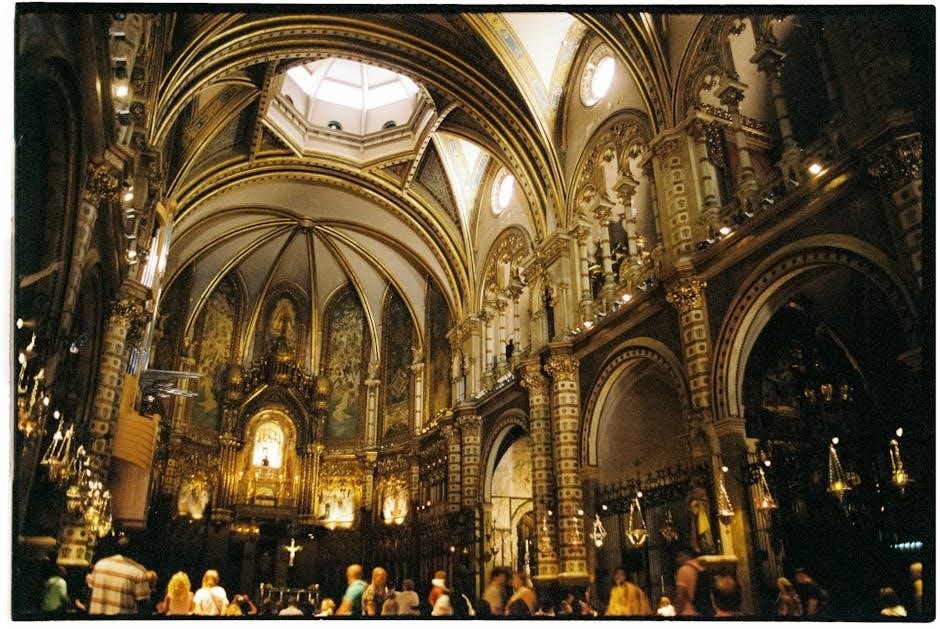
Catalan Media Corporation leverages PDFs for sponsorship proposals and impact reports, showcasing their support for cultural heritage. Furthermore, regulatory bodies employ PDFs for site documentation required by legal acts governing heritage protection. These documents facilitate compliance and transparency. Even musical scores, like the Heritage Mass keyboard/vocal edition, are distributed as PDFs, preserving and disseminating liturgical traditions.
Legal and Regulatory Frameworks
Heritage Mass PDFs are often created to comply with legal mandates protecting immovable cultural heritage sites, requiring detailed documentation and adherence to specific acts.
Protection of Immovable Cultural Heritage Sites
Immovable cultural heritage sites, encompassing structures like St. Nicholas Church and School, benefit significantly from the creation and dissemination of Heritage Mass PDFs. These digital documents serve as crucial records for legal protection, aiding in the preservation of historical integrity.
Regulatory frameworks often mandate comprehensive documentation, and PDFs provide a standardized, accessible format for archaeological reports and site assessments. This documentation supports applications for heritage status and funding, ensuring long-term conservation efforts. The Catalan Media Corporation’s sponsorships highlight the importance of collaborative preservation, often relying on detailed PDF records for accountability and impact assessment.
Furthermore, these PDFs facilitate compliance with legal acts governing heritage documentation, offering a verifiable trail of site conditions and interventions.
Legal Acts Governing Heritage Documentation
Heritage Mass PDFs play a vital role in adhering to legal requirements for cultural heritage documentation. Regulatory legal acts frequently necessitate detailed records of immovable cultural heritage sites, and PDFs offer a compliant, standardized format for submission.
These documents support applications for heritage protection, providing evidence of a site’s historical significance and current condition. The Corporació Catalana de Mitjans Audiovisuals, through its sponsorship programs, relies on such documentation for transparency and accountability, often requiring PDF-based reports.
PDFs ensure a verifiable audit trail, crucial for demonstrating adherence to preservation standards and legal obligations. They facilitate efficient review processes by authorities, streamlining the protection of valuable cultural assets.
Case Studies: Heritage Mass PDF in Practice
The Heritage Project (St. Nicholas Church & School) utilizes PDFs for documentation, while Catalan Media Corporation employs them for sponsorship reporting and heritage site support.
The Heritage Project (St. Nicholas Church & School)
The Heritage Project, centered around St. Nicholas Catholic Church and School in Sunman, Indiana, demonstrates a practical application of Heritage Mass PDFs. This initiative focuses on preserving the history and architectural significance of the church and school buildings;
PDF documents are central to this project, serving as repositories for archival materials, architectural plans, historical photographs, and detailed reports on restoration efforts. These PDFs are utilized for fundraising appeals, grant applications, and community outreach, providing stakeholders with comprehensive information about the project’s goals and progress.
The project’s website (https://stnicholas-sunman.org/heritage-project) likely hosts these Heritage Mass PDFs, making them readily accessible to the public. This digital approach ensures long-term preservation and facilitates wider dissemination of the church and school’s rich heritage.
Catalan Media Corporation & Heritage Sponsorships
The Corporació Catalana de Mitjans Audiovisuals (CCMA), Catalonia’s public broadcasting corporation, actively engages in heritage sponsorship, often utilizing Heritage Mass PDFs as key components of their promotional and documentation strategies.
The CCMA’s “PATROCINIOS” (sponsorship) platform, integrated since March 6, 2018, likely incorporates PDF documentation detailing heritage sites and projects seeking sponsorship. These PDFs would showcase the cultural value and potential reach of associating with specific heritage initiatives.
Furthermore, the CCMA likely creates and distributes PDFs related to programs featuring Catalan heritage, such as those highlighted in TV3’s autumn programming previews. These PDFs could include program synopses, historical context, and information about featured locations, effectively functioning as Heritage Mass PDFs to promote cultural awareness.

Challenges and Opportunities
Heritage Mass PDFs face challenges in navigating conflicting narratives, yet offer opportunities for broader digital access and preservation in the modern age.
Identifying Contradictions in Heritage Narratives
Heritage Mass PDFs, while valuable documentation tools, often present curated narratives. Critical analysis reveals potential contradictions arising from differing perspectives on historical events and cultural significance.
These discrepancies can stem from incomplete archaeological records, biased interpretations, or the selective presentation of evidence. Examining multiple Heritage Mass PDFs – such as archaeological reports and media coverage – allows for a more nuanced understanding.
Acknowledging these contradictions is vital for fostering inclusive heritage practices. Digital formats facilitate comparative analysis, enabling researchers and the public to question established narratives and contribute to a more comprehensive historical record. This process promotes transparency and encourages a critical engagement with the past.
Digital Heritage in the Digital Age
Heritage Mass PDFs exemplify the evolving relationship between cultural preservation and technological advancement. In the digital age, these documents offer unprecedented accessibility to heritage information, transcending geographical limitations.
However, reliance on digital formats introduces new challenges, including concerns about long-term preservation and data obsolescence. Ensuring the continued accessibility of Heritage Mass PDFs requires robust archiving strategies and format migration protocols.
Furthermore, the digital realm fosters opportunities for innovative heritage experiences, such as virtual tours and interactive exhibits. Effectively leveraging these technologies necessitates a balance between preservation, accessibility, and engaging storytelling, shaping how future generations connect with the past.