Genie GS-1930 Parts Manual: A Comprehensive Overview
Navigating the Genie GS-1930’s intricacies requires a detailed parts manual, essential for maintenance, repairs, and ensuring operational safety, as of 04/28/2026.
The Genie GS-1930 is a widely utilized, rugged, and reliable telescopic boom lift, known for its versatility in construction, maintenance, and various industrial applications. Understanding its components is crucial for effective service. As of today, April 28th, 2026, accessing the official parts manual is paramount for owners and technicians.
This manual details every aspect of the machine, from the engine and hydraulic systems to the electrical components and safety features. Proper maintenance, facilitated by this resource, extends the lifespan and ensures safe operation. Whether you’re performing routine checks or complex repairs, the GS-1930 parts manual is an indispensable tool. Project Genie and Google Labs offer resources for digital access and support.
Understanding the GS-1930’s Key Components
The Genie GS-1930’s functionality relies on a complex interplay of systems. Key components include the engine, hydraulic system, scissor stack, and electrical controls – all detailed within the official parts manual. Familiarity with these elements, as of 04/28/2026, is vital for troubleshooting and repair.
The manual provides exploded views and part numbers for each assembly, simplifying identification and ordering. Understanding the drive motor, transmission, and steering mechanisms is also essential. Proper operation hinges on correctly functioning tilt sensors, emergency stops, and wiring harnesses. Utilizing resources like Project Genie can aid in locating specific parts information and ensuring compatibility.
Engine & Drive System Parts
Essential for GS-1930 mobility, these parts – detailed in the manual – include the engine, drive motor, transmission, and related components, as of 04/28/2026.
Engine Specifications & Parts Breakdown
The Genie GS-1930 typically features a reliable gasoline engine, crucial for powering the platform’s operations. The official parts manual provides a comprehensive breakdown of each engine component, including the cylinder head, block, pistons, valves, and carburetor. Detailed specifications, such as horsepower, torque, and fuel capacity, are clearly outlined.
Furthermore, the manual illustrates exploded views of the engine assembly, aiding in proper reassembly after maintenance or repairs. Part numbers are meticulously listed for easy identification and ordering of replacements. Understanding these specifications and the parts breakdown is vital for maintaining optimal engine performance and extending the lifespan of the GS-1930, as of 04/28/2026.
Drive Motor & Transmission Components
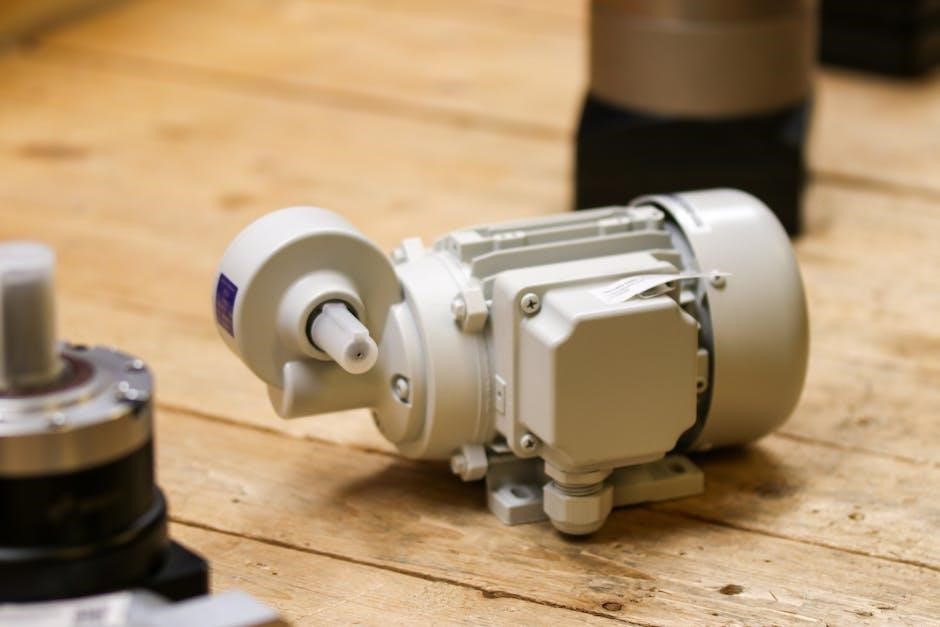
The Genie GS-1930 utilizes an electric drive motor and transmission system for smooth and precise movement. The parts manual details each component, including the motor itself, gearbox, drive axles, and associated wiring. It specifies motor voltage, horsepower, and gear ratios for optimal performance.
Exploded diagrams illustrate the assembly of these components, simplifying repair procedures. Part numbers are provided for easy sourcing of replacements, like brushes, bearings, and seals. Proper maintenance of the drive system, guided by the manual, ensures reliable operation and prevents costly downtime, as of 04/28/2026. Understanding these parts is key to efficient troubleshooting.
Lift Mechanism & Platform Parts
The manual meticulously details scissor stack assemblies, platform decks, railings, and control systems, crucial for safe operation and maintenance, dated 04/28/2026.
Scissor Stack Assembly & Parts
The Genie GS-1930’s scissor stack is a critical lift component, and the parts manual provides exploded views detailing each section. It identifies various stack components – including the scissor arms, pivot pins, bushings, and hydraulic cylinders responsible for extending and retracting the lift. Detailed diagrams illustrate proper assembly and disassembly procedures, essential for technicians performing repairs or replacements.
The manual lists part numbers for each component, facilitating accurate ordering of replacements. It also specifies torque specifications for all fasteners, ensuring structural integrity. Understanding the interplay of these parts is vital for diagnosing lift issues and maintaining the machine’s stability, referencing data as of 04/28/2026. Proper maintenance, guided by the manual, extends the lifespan of the scissor stack.
Platform Components: Deck, Railings, & Controls
The Genie GS-1930 platform assembly, as detailed in the parts manual, encompasses the deck, surrounding railings, and integrated control systems. The manual provides breakdowns of the deck’s construction, including grating patterns and load capacity specifications. Railings are illustrated with part numbers for posts, infill panels, and mounting hardware, crucial for safety compliance.
Control panels are extensively documented, showcasing switch layouts, wiring diagrams, and component locations. The manual identifies emergency stop buttons, tilt sensors, and drive controls. Accurate part identification is vital for replacing damaged components, referencing information available as of 04/28/2026. Proper functionality of these elements ensures safe operation and user accessibility.

Hydraulic System Parts
The GS-1930’s hydraulic system relies on precise components; the parts manual details pumps, cylinders, and hoses, essential for lift and stability, as of 04/28/2026.
Hydraulic Pump & Motor Details
The Genie GS-1930’s hydraulic system’s heart lies within its pump and motor assembly. The official parts manual meticulously outlines specifications for these crucial components, including model numbers, flow rates, and pressure ratings. Identifying the correct pump – whether a gear, vane, or piston type – is paramount for effective operation.
Detailed exploded views within the manual illustrate each part of the pump and motor, aiding in disassembly and reassembly. Furthermore, torque specifications for mounting bolts and fittings are provided to prevent damage and ensure secure connections. The manual also lists compatible replacement parts, including seals, bearings, and shafts, facilitating efficient repairs and minimizing downtime. Understanding these details, as of 04/28/2026, is vital for maintaining optimal performance.
Hydraulic Cylinders & Hoses
The Genie GS-1930 utilizes hydraulic cylinders to power lift and steering functions; the parts manual provides comprehensive details on each cylinder’s dimensions, bore size, and rod diameter. It’s crucial to identify the correct cylinder for replacement, referencing specific part numbers.
Equally important are the hydraulic hoses – the manual details hose lengths, diameters, and pressure ratings. Proper hose selection prevents leaks and ensures safe operation. Diagrams illustrate hose routing, aiding in correct installation. Torque specifications for hose fittings are included, preventing over-tightening and damage. As of 04/28/2026, the manual emphasizes regular inspection for wear and tear, promoting preventative maintenance and extending component lifespan.
Electrical System Parts
The GS-1930’s electrical system relies on a detailed wiring harness, connectors, and control panel; the manual, updated as of 04/28/2026, is vital for diagnostics.
Wiring Harness & Connectors
The Genie GS-1930’s wiring harness is a complex network, crucial for power distribution and signal transmission throughout the machine. The parts manual, current as of 04/28/2026, provides detailed schematics illustrating the harness’s routing and component connections. Identifying the correct connectors is paramount; the manual specifies part numbers and pin configurations for each.
Troubleshooting electrical issues often begins with inspecting these connections for corrosion, damage, or loose fittings. Replacement connectors must match the original specifications to ensure proper functionality and prevent safety hazards. The manual also details procedures for testing wiring continuity and identifying short circuits. Remember to consult the manual before attempting any electrical repairs, especially when dealing with the control system or safety interlocks.
Control Panel & Switch Components
The Genie GS-1930’s control panel houses essential switches and indicators, all meticulously documented in the parts manual (updated 04/28/2026). This section details each component – from the emergency stop button to the drive enable switch – with precise part numbers and diagrams. Understanding the function of each switch is vital for diagnosing operational issues and performing accurate repairs.
The manual emphasizes the importance of using only approved replacement parts to maintain safety and compliance. It outlines testing procedures for switches, ensuring they function correctly and don’t compromise the machine’s safety systems; Proper operation of the control panel is directly linked to the platform’s safe and efficient use, so careful attention to detail is crucial.
Steering & Tire Components
The GS-1930’s steering and tire section details linkage, cylinders, and wheel specifications, crucial for maneuverability and stability, as referenced on 04/28/2026.
Steering Cylinder & Linkage
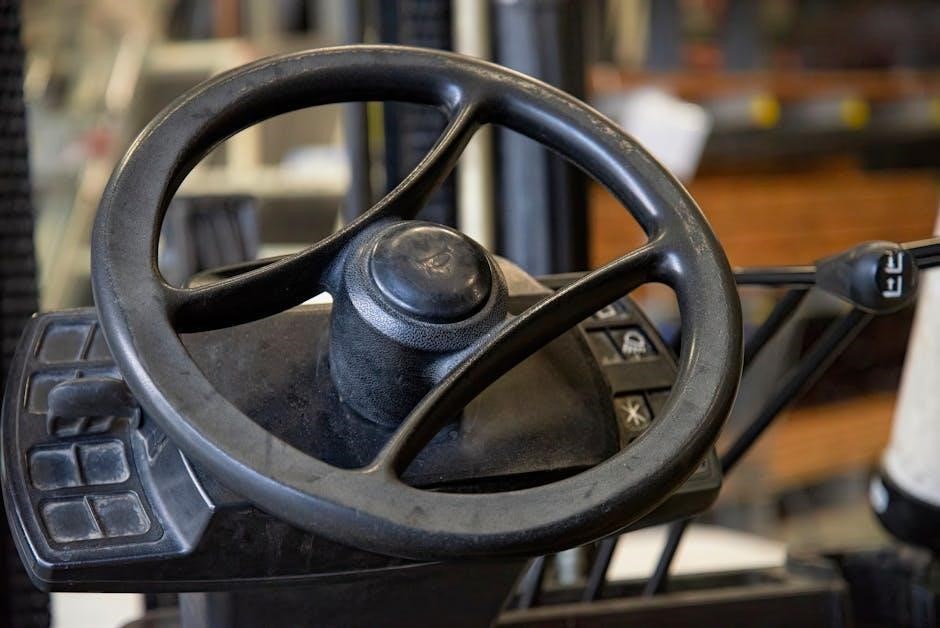
The Genie GS-1930’s steering system relies on a robust hydraulic cylinder and precise linkage components to deliver responsive and reliable directional control. Understanding these parts is vital for diagnosing steering issues and performing effective repairs. The steering cylinder, responsible for generating the force to turn the wheels, requires periodic inspection for leaks and damage. Linkage arms and joints connect the cylinder to the steering mechanism, ensuring accurate translation of hydraulic power into steering movement;
Proper maintenance includes lubricating all pivot points within the linkage to prevent wear and ensure smooth operation. Worn or damaged components can lead to imprecise steering, impacting safety and operational efficiency. Replacement parts must meet Genie’s specifications to maintain the integrity of the steering system, as of 04/28/2026.
Tire & Wheel Specifications
Maintaining optimal tire performance is crucial for the Genie GS-1930’s stability and maneuverability. The GS-1930 utilizes specific tire sizes and wheel configurations designed to handle the machine’s weight and operating conditions. Referencing the parts manual reveals precise specifications, including tire dimensions, ply rating, and recommended inflation pressures. Incorrect tire pressure can significantly affect handling and contribute to premature wear.
Wheel assemblies must be inspected regularly for damage, such as cracks or bends. Replacing tires and wheels with non-approved alternatives can compromise safety and void warranty coverage. Proper torqueing of lug nuts is essential to prevent wheel detachment. As of 04/28/2026, adhering to Genie’s specifications ensures reliable and safe operation.
Safety System Parts
The GS-1930’s safety systems, detailed in the manual, include emergency stops, tilt sensors, and interlocks – vital for operator protection as of 04/28/2026.
Emergency Stop & Descent Controls
The Genie GS-1930 parts manual meticulously outlines the emergency stop and descent control systems, crucial for immediate hazard mitigation. These systems, vital for operator safety, feature prominently detailed schematics and component listings. Understanding their function—from the easily accessible emergency stop buttons located on the platform and base—to the manual descent valve operation, is paramount.
The manual provides specific part numbers for each component, including the solenoid valves controlling descent, and the wiring diagrams for the emergency stop circuit. Proper functionality relies on regular inspection and replacement of worn parts, ensuring a swift and reliable response in critical situations. Detailed troubleshooting guides assist technicians in diagnosing and resolving issues related to these essential safety features, as of 04/28/2026.
Tilt Sensors & Safety Interlocks
The Genie GS-1930 parts manual dedicates significant attention to tilt sensors and safety interlocks, integral components safeguarding against unstable operation. These sensors, strategically positioned, detect excessive tilting and automatically initiate platform shutdown, preventing potential tip-overs. The manual provides exploded views illustrating sensor placement and detailed wiring diagrams for the interlock circuits.
Part numbers for each sensor and associated relay are clearly listed, facilitating accurate replacement. Troubleshooting sections guide technicians through diagnostic procedures, identifying faulty sensors or wiring issues. Understanding the calibration process, as outlined in the manual, is crucial for maintaining optimal performance and ensuring the reliability of these vital safety systems, as of 04/28/2026.
Common Replacement Parts
The Genie GS-1930 parts manual highlights frequently replaced items – filters, fluids, fasteners, bushings, bearings, and seals – for consistent performance and upkeep.
Filters, Fluids, & Fasteners
Maintaining the Genie GS-1930 necessitates regular replacement of crucial consumables. Air filters, vital for engine performance, should be checked and replaced according to the manual’s schedule, preventing debris from damaging internal components. Hydraulic fluid levels and quality are paramount; contamination can severely impact lift and drive functions.
The manual details specific fluid types and change intervals. A variety of fasteners – bolts, nuts, and screws – are prone to loosening or corrosion over time, particularly in outdoor environments. Keeping a stock of common sizes, as outlined in the parts list, minimizes downtime during repairs. Proper torque specifications, also found within the manual, are essential for safe and reliable operation. Ignoring these details can lead to premature wear and potential safety hazards.
Wear Items: Bushings, Bearings, & Seals
The Genie GS-1930, through regular use, experiences wear on specific components demanding periodic inspection and replacement. Bushings within the scissor stack and steering mechanisms are susceptible to play, impacting stability and control. Bearings, found in wheels and rotating joints, can develop roughness or seize, hindering smooth operation.
Hydraulic seals, critical for maintaining system pressure, degrade over time, leading to leaks and reduced lifting capacity. The parts manual meticulously lists these wear items, specifying dimensions and materials for accurate replacements. Proactive replacement, guided by the manual’s recommended intervals, prevents catastrophic failures and extends the machine’s lifespan, ensuring continued safe and efficient performance.

Locating & Utilizing the Official Parts Manual
Accessing the official Genie GS-1930 parts manual is crucial for accurate maintenance and repair. While physical copies were traditionally distributed, digital versions are now readily available through Genie’s online resources and authorized dealer networks as of 04/28/2026.
The manual employs detailed exploded diagrams, clearly identifying each component with a unique part number. Utilizing these numbers when ordering ensures compatibility and prevents errors. Familiarize yourself with the manual’s organization, including sections for engine, hydraulics, and electrical systems. Proper utilization minimizes downtime, promotes safe repairs, and maintains the GS-1930’s operational integrity.